



Yes, you can Replace or Repair a Roof in the Winter
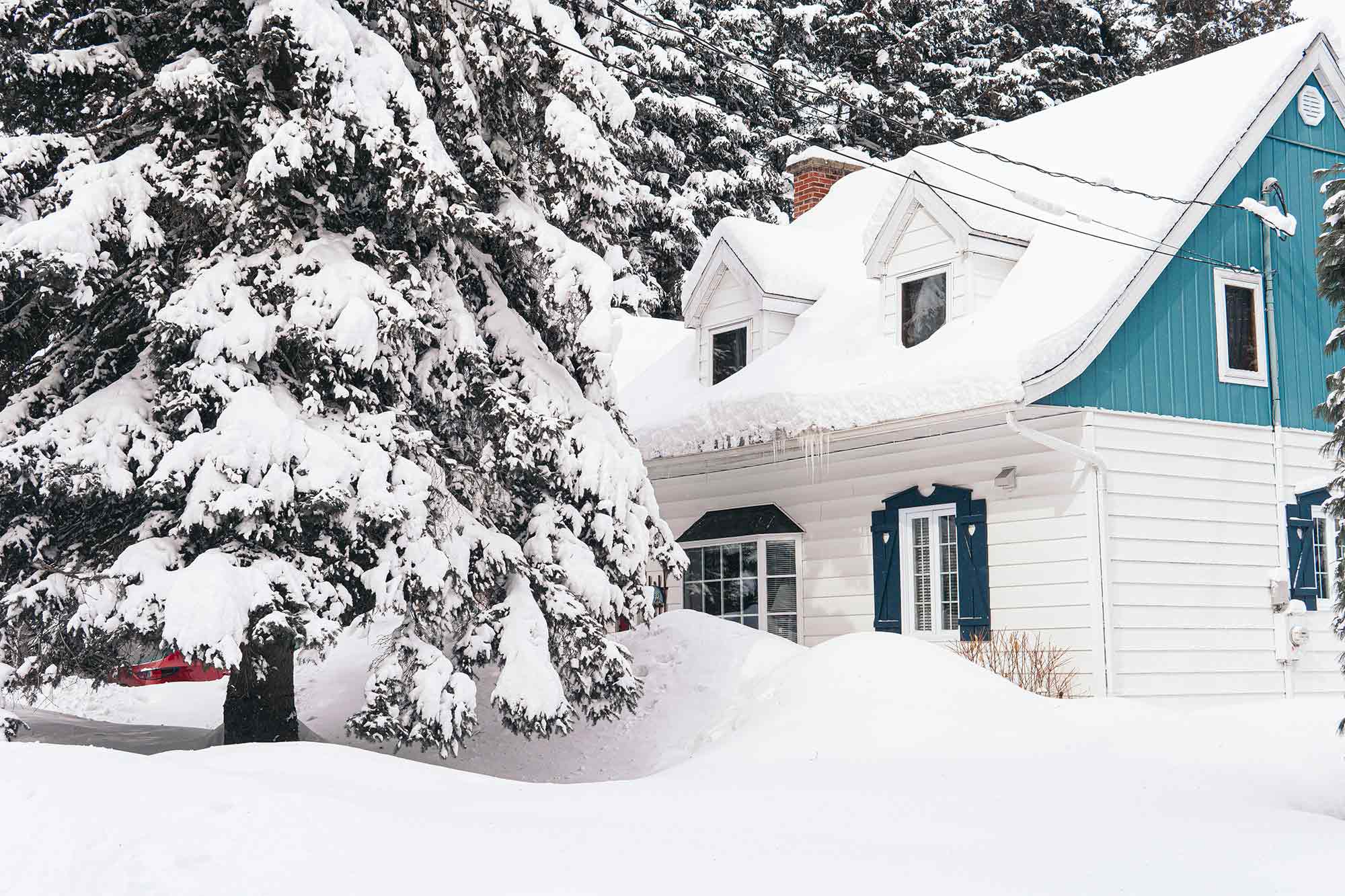
Replacing or repairing your roof during the winter is more common than you think. Certain circumstances, such as location and harsh Minnesota weather conditions, can make the roof repair or replacement process slower and more expensive due to more dangerous working conditions. However, the upside is that there is low demand for roofing during the winter.
It is essential to hire a reputable roofing company that can assess whether the cold weather will impact the quality of your roof replacement. Restorations by Highmark’s residential restoration services include roof repair and replacement, and our team of certified roofers is experienced and comfortable working in cold temperatures.
The Pros and Cons of Replacing Your Roof in the Winter
Pros
- Low demand for roofing repair or replacement in the winter makes it easier to find a reputable roofing company.
- Typically, there’s no wait time to start your roofing project.
- Heat and warmth from your home’s heating system can promote adhesion.
- Roof repair and replacement can prevent further damage and help maintain structural integrity.
Cons
- Not all roof types can be repaired in cold weather months.
- Asphalt shingles are more brittle in cold weather and prone to breaking or chipping.
- Problems with thermal sealing.
- More dangerous working conditions for roofers.
- Roofing services during the winter can often be more costly.
The decision to repair or replace your roof during the winter should depend on the damage caused by postponing the work. In most cases, roof replacements in winter have a greater sense of urgency due to the potential for further damage if not repaired promptly. It’s best to wait until Spring when temperatures are above 50 degrees, if possible.
Signs you Need Roof Repair This Winter
Don’t wait to address common roofing issues, especially in the winter. Promptly schedule a roof inspection or roof repair if you see any of the following:
- Leaks or water stains inside your home
-
Missing, cracked or broken shingles
-
Curling or blistering roofing material
-
Damaged flashing around vents or chimneys
-
Ice dams or recurrent roof icing
- Sagging roofline
How Roof Repair and Replacement Are Done in the Winter
Winter roof repair and replacement projects can be tricky in cold weather and require a different approach:
1. Snow and Ice Removal
To work safely, roofing crews will remove accumulated snow, frost, and ice from the roof.
2. Thorough Roof Inspection
The roof is carefully inspected for active leaks, ice or wind damage, and loose, damaged or missing shingles and flashing.
3. Cold-Weather Roofing Practices
To ensure a top-quality roof repair that stands up to the weather, we use cold-weather approved sealants and adhesives, and store roofing materials in warm areas prior to installation to maintain flexibility.
4. Repair First
To keep small issues from turning into larger problems, we’ll typically begin with targeted repairs to shingles, flashing, and other roofing materials. This can help homeowners postpone a full replacement if needed.
5. When Roof Replacement is Necessary
If repairs don’t fix the problem, a full roof replacement may be needed. Our roofing teams will closely monitor the forecast and schedule the work during safe temperatures.
6. Final Inspection and Leak Testing
Once repairs or replacement are complete, the roof is inspected again to ensure the shingles are properly sealed, the flashing is secure, and all other building materials are not vulnerable to moisture.
Schedule Your No-Cost Roof Inspection
Whether it’s a minor roof repair or a complete roof replacement, Restorations by Highmark can help protect your home through the cold winter months. Don’t wait for Spring, contact us today to schedule an inspection.