


When a traumatic or hazardous event occurs in your home or business, the aftermath can be overwhelming. Beyond the emotional stress, there’s a serious health risk that comes from exposure to biological contaminants like blood, bodily fluids, or hazardous chemicals. In these situations, proper biohazard cleanup and restoration are not only necessary—they’re essential to ensure your property is safe, clean, and habitable again.
At Restorations by Highmark, we specialize in biohazard cleanup throughout Minnesota, offering professional, discreet, and thorough restoration services when you need them most. This guide explains when biohazard cleanup is required, the dangers of exposure, and why professional cleanup is critical for safety and peace of mind.
What Are Examples of Biological Hazards?
Biohazard cleanup is required whenever a space has been contaminated with biological or chemical substances that pose a threat to human health. These substances can include blood, bodily fluids, animal waste, medical waste, or even certain chemicals and toxins.
Common situations where biohazard cleanup services are needed include:
- Trauma or unattended death: When a person passes away and is not immediately discovered, bodily fluids can seep into flooring, walls, and substructures.
- Crime scenes: After law enforcement has completed their investigation, professional biohazard cleaning is needed to remove blood and other contaminants.
- Sewage backups: Raw sewage contains bacteria, viruses, and harmful pathogens that can spread quickly.
- Mold or chemical contamination: Severe mold growth, drug lab residues, or toxic spills require specialized cleaning.
- Animal infestations: Rodent or wildlife waste can harbor dangerous bacteria such as Hantavirus.
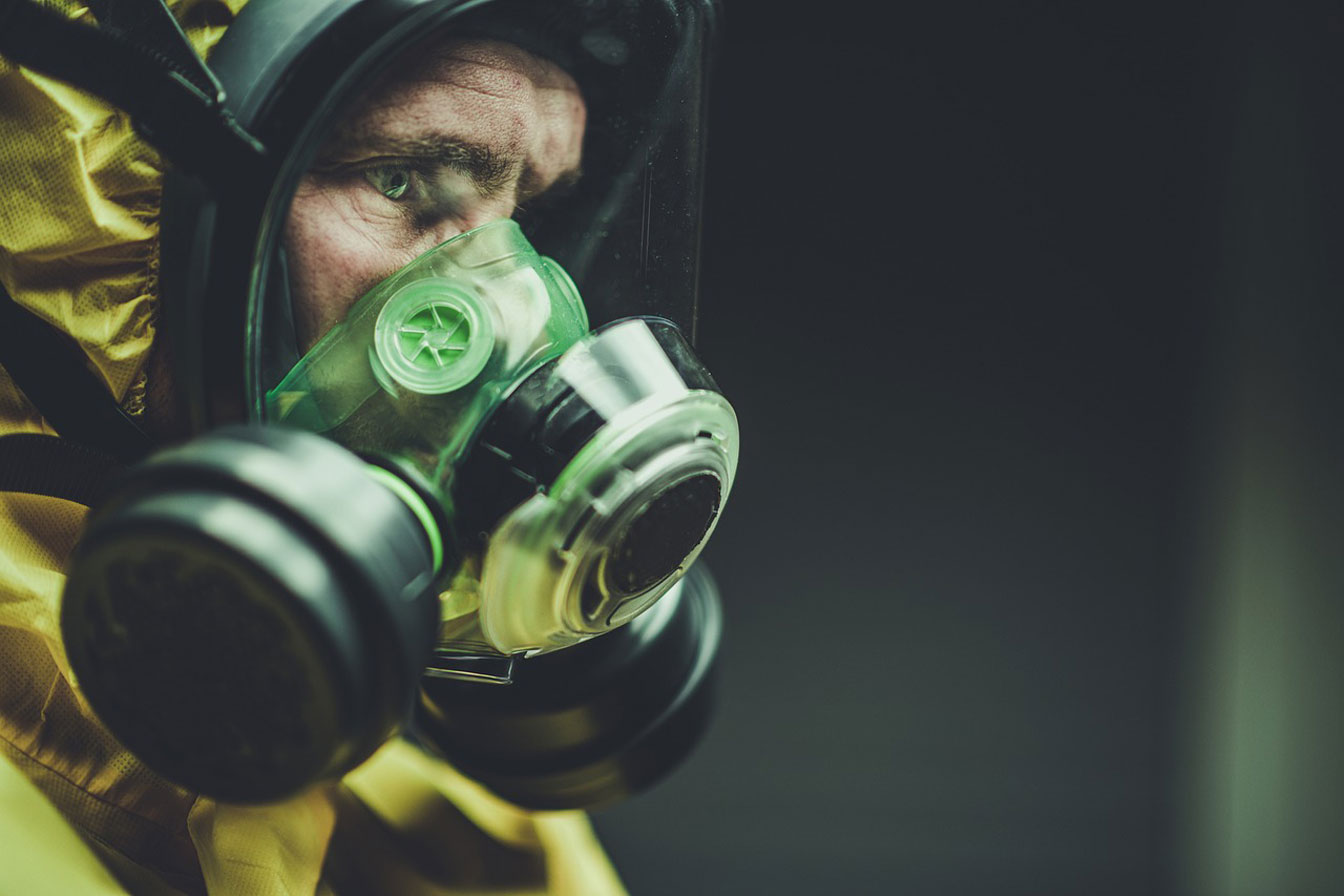
Each of these situations requires more than a surface-level cleaning. Biohazard cleanup involves specialized equipment, protective gear, and disinfection procedures to ensure the environment is completely decontaminated and safe to occupy again.
The Risks of Hazardous Materials in Your Home
When biohazard materials are present, the risks go far beyond unpleasant odors or stains. Exposure to biological contaminants can lead to serious and sometimes life-threatening illnesses.
Here are some of the most common risks associated with biohazards in the home:
- Infectious Diseases: Bloodborne pathogens such as HIV, Hepatitis B, and Hepatitis C can survive outside the body for extended periods. Improper cleaning or contact with contaminated surfaces can result in transmission.
- Bacterial Infections: Sewage backups or animal waste may contain E. coli, Salmonella, and other harmful bacteria that can cause severe gastrointestinal and respiratory illnesses.
- Toxic Mold Exposure: Mold growth after water damage can release mycotoxins that trigger allergies, asthma, and long-term respiratory problems. Specialized mold restoration services may be needed.
- Airborne Contaminants: Disturbing contaminated materials without proper protection can release harmful particles into the air, increasing the risk of inhalation exposure.
Even trace amounts of biohazard material left behind can pose ongoing risks. That’s why professional cleanup—done by certified specialists with industry-grade disinfectants and safety protocols—is critical for full remediation.
At Restorations by Highmark, our technicians are trained and certified in OSHA and EPA standards for biohazard removal, ensuring every surface is disinfected and every hazard is eliminated.
Issues If Biohazard Is Not Handled Professionally
Biohazard cleanup is not a DIY process. Attempting to handle biological hazards yourself or hiring a non-specialized cleaning service can lead to serious consequences for your health, safety, and property.
- Incomplete Decontamination: Standard household cleaners cannot fully remove or neutralize biohazard contaminants. Without the right tools and disinfectants, dangerous bacteria and viruses may remain—posing an ongoing health threat.
- Cross-Contamination: Improper disposal or cleaning can spread contaminants to other parts of the home. For instance, wiping a surface without proper containment may aerosolize pathogens into the air or transfer them to nearby objects.
- Structural Damage: Biohazardous materials like blood or sewage can penetrate flooring, drywall, and subfloors. If these areas aren’t properly removed and treated, lingering contamination can cause odors, staining, and deterioration over time.
- Emotional Distress: In the case of traumatic events, attempting to clean the scene yourself can cause unnecessary emotional pain and psychological distress. Professional biohazard teams provide compassionate, discreet support while handling the cleanup safely and respectfully.
- Legal and Insurance Complications: In some cases—such as crime scenes or workplace incidents—there are legal and regulatory requirements for how biohazard materials are handled and disposed of. Failing to follow these protocols can lead to compliance issues or voided insurance claims.
The Biohazard Cleanup and Restoration Process
Biohazard situations require more than a simple cleaning—they demand expertise, precision, and care. The process of biohazard cleanup and restoration is highly detailed and must be handled by trained professionals.
Hiring a certified biohazard restoration company like Restorations by Highmark ensures all cleanup is performed according to local and federal safety standards, protecting both your health and your liability.
Here’s what to expect during a professional biohazard cleanup and restoration:
- Assessment and Containment: Our team begins with a thorough inspection to identify all affected areas and materials. We then establish containment zones using plastic barriers and negative air pressure systems to prevent the spread of contaminants.
- Removal of Contaminated Materials: Any porous materials that cannot be effectively disinfected—such as carpet, padding, drywall, or furniture—are carefully removed, packaged, and disposed of following OSHA and EPA biohazard regulations.
- Cleaning and Disinfection: We use medical-grade disinfectants and hospital-level sanitation techniques to clean all non-porous surfaces. This step eliminates bacteria, viruses, and odors while restoring the property to a safe condition.
- Deodorization and Air Purification: Biohazard events often leave strong odors behind. We use advanced HEPA air scrubbers, hydroxyl generators, and ozone treatments to neutralize odors and purify the air.
- Restoration and Reconstruction: Once the contaminated areas are cleaned and sanitized, our team can begin the restoration process—replacing drywall, flooring, or fixtures as needed. Because Restorations by Highmark is a full-service restoration contractor, we handle both cleanup and rebuilding, saving you time and stress.
- Final Inspection and Clearance: Before completing the job, we perform a final inspection to verify that all affected areas meet industry standards for cleanliness and safety. Documentation is provided for insurance claims and peace of mind.
Throughout the entire process, our team operates with discretion and compassion—respecting your privacy and helping you move forward with confidence.
Trust Restorations by Highmark for Biohazard Cleanup
Whether it’s a trauma scene, sewage backup, or chemical spill, our goal at Restorations by Highmark is to protect you and your family, restore your property, and give you peace of mind. If you’re ever faced with a hazardous situation, contact us immediately. We offer 24/7 emergency biohazard cleanup services across the Twin Cities, and our team is trained, certified, and equipped to restore your home or business safely and respectfully.
When Disaster Strikes, Contact Us
We’re a preferred contractor for over 400 insurance agents and will happily assist you with your home or commercial restoration project.