




If you experience fire or water damage in your Minnesota home or commercial building, you’ll likely meet Dan Feine, Restorations by Highmark’s Emergency Response Director. Dan is also a Captain at the Eden Prairie Fire Department. This month, we asked him five important questions about fire extinguishers.
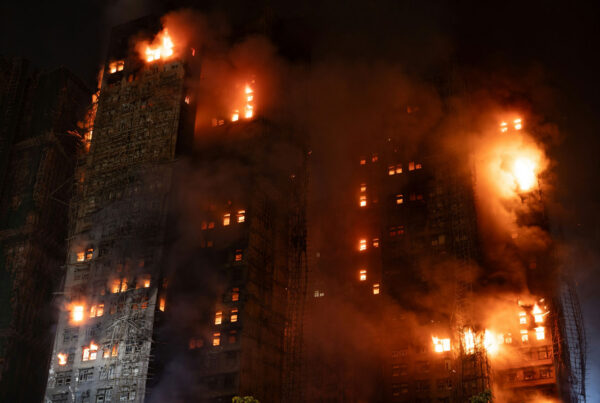
At the first flicker of an unwanted flame, your mind races. Questions flood your brain, often without clear answers:
- Where’s my fire extinguisher?
- How do I even use it?
- Do I call 911 first or should I evacuate? Should I try to put it out?
At Restorations by Highmark, we believe fire prevention and preparedness are key. Successfully controlling a fire starts with knowledge. Whether you’re a homeowner or managing a commercial building, knowing the answers to these questions can mean the difference between quickly putting the fire out or watching it spread, engulfing your property.
What are the Types of Fire Extinguishers?
Not all fire extinguishers are created equal. There are five different types or classes, and it’s critical to use the appropriate fire extinguisher depending on the type of fire. Using the wrong class can spread the fire, cause electrical shock, or lead to other dangerous situations. The different types of fire extinguishers and their uses include:
Class A
- Use on: Fires from combustible materials such as wood, paper, or cloth
- Best for: Homes, offices, schools
Class B
- Use on: Fires from flammable liquids such as gasoline, oil, or grease
- Best for: Kitchens, garages, workshops, commercial buildings
Class C
- Use on: Electrical fires involving wiring, outlets, or appliances
- Best for: Homes, offices, server rooms
Class D
- Use on: Combustible metals like magnesium or titanium
- Best for: Industrial and manufacturing settings
Class K
- Use on: Kitchen fires involving oils and fats
- Best for: Commercial kitchens, food trucks, restaurants
How do I Choose the Right Fire Extinguisher?
The size and type of the building can also dictate the type and quantity of fire extinguishers you’ll need in the event of a fire emergency. One or two extinguishers should be suitable for most homes, but commercial buildings require more, depending on the size, number of rooms, and number of occupants.
For Homes:
- Recommended: Multi-purpose ABC fire extinguisher
- Why: Covers the most common household fires (paper, grease, electrical)
- Size: A five-pound extinguisher should be sufficient
For Commercial Buildings:
- Recommended: A combination of Class A, B, C, and K fire extinguishers
- Why: Commercial settings often have varied fire risks
- Compliance: Must meet OSHA and NFPA regulations
When Should I Use a Fire Extinguisher?
Because fires can grow and spread quickly, it’s important to know when (and when not to) use a fire extinguisher. It’s always advisable to call 911 at the first sign of a fire.
Use Fire Extinguishers On:
- Small, contained fires
- Fires not spreading rapidly
- Fires in early stages, such as a small frying pan fire
Do NOT Use Fire Extinguishers On:
- Fires that are too large or spread quickly
How do I Use a Fire Extinguisher?
When it’s safe to use a fire extinguisher, stand 6-8 feet away and use the PASS method with any standard fire extinguisher:
P – Pull the pin to free up the trigger
A – Aim low at the base of the fire
S – Squeeze the handle
S – Sweep the nozzle from side to side until the fire is out
Where Should I Store a Fire Extinguisher?
It’s important to have a fire extinguisher ready and within easy access. Never bury them at the back of a kitchen cabinet. Always mount them on walls at a visible height in the following locations:
In Homes:
- Kitchen (but not too close to the stove)
- Garage or workshop
- Laundry room
- Near exits
In Commercial Buildings:
- Hallways and exits
- Breakrooms and kitchens
- Mechanical and electrical rooms
- Near areas with flammable materials
Stay Fire-Ready with Restorations by Highmark
We hope you never need to use a fire extinguisher, but if you have a fire in your home or place of business, it’s important to know how to use one. Once the fire is extinguished, contact Restorations by Highmark. Our expert fire and smoke damage restoration team is here 24/7 to help you recover quickly and safely.
24/7 Emergency Mitigation Service
Whether it’s a commercial or home fire, call our team right away. We’ll act quickly to mitigate the damage.