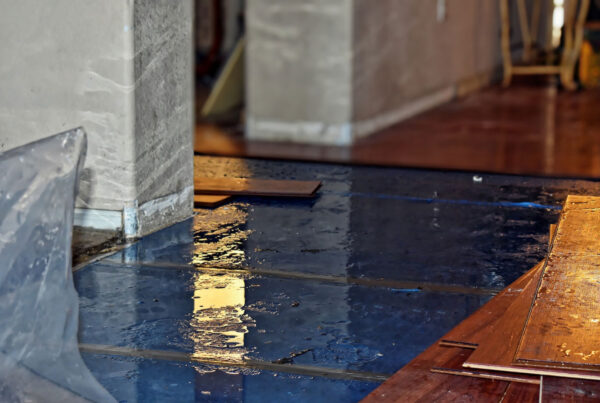




Once water unexpectedly floods your home or business, every second counts. Whether it’s a burst pipe or appliance malfunction, water damage cleanup is a race against time. The longer moisture sits, the more extensive—and costly—the damage becomes.
As a property owner, it’s important to know how to navigate water-related disasters quickly, safely, and efficiently. Before you take the first step, here are five key things to know about water damage cleanup.
1. Water Damage Comes in Different Categories
While a small, clean water spill can be fixed with a mop and bucket, any size leak of gray or black water requires professional-grade decontamination to ensure a safe environment. Not sure which type of spill you have? Here are the different types and the cleaning method involved:
- Category 1 (Clean Water): Broken supply lines to kitchen and bathroom sinks, toilets and some appliances spill clean water. This category is safe to handle; however, extensive water damage should be cleaned up professionally to avoid mold growth and further structural damage.
- Category 2 (Gray Water): Dishwashers, washing machines, and sump pumps contain gray water, which includes contaminants. Professional water damage cleanup is essential to avoid illness.
- Category 3 (Black Water): The most dangerous, black water comes from sewage spills, flooding, or natural disasters. This category is highly unsanitary and potentially toxic, so professional cleanup is required.
2. Water Damage Cleanup Requires More Than Surface Drying
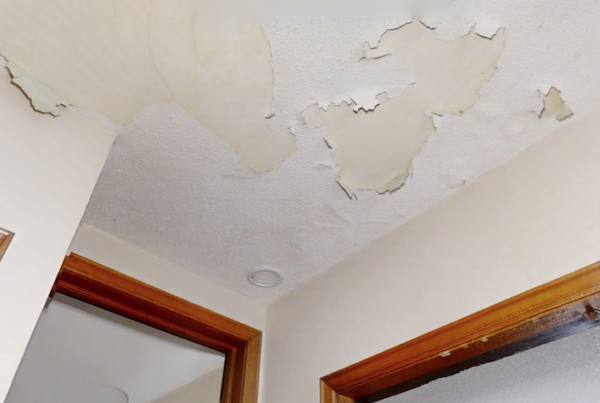
Typically, water damage cleanup is not a DIY job. On the surface, it may not look like much—a wet carpet, a discolored ceiling—but long term, it can turn into a property-wide issue. By tackling only the visible water, you risk ongoing structural deterioration and expensive remediation later.
Professional water damage cleanup, conducted by trained and licensed professionals, includes a variety of steps:
- Water extraction to remove standing water
- Structural drying to eliminate moisture deep within materials
- Dehumidification to prevent future mold growth
- Sanitization for health and odor control
- Repairs and restoration to return your property to its pre-loss condition
3. Mold Growth Starts in as Little as 24 Hours
The moment a water spill occurs, the clock starts ticking. Floors, walls, and ceilings can quickly harbor hidden moisture, damaging drywall, insulation, subfloors and the property’s overall structure. These damp environments are also ideal for mold growth, resulting in indoor air quality problems if not properly addressed.
Once mold develops, cleanup becomes more complex and costly. Professional water damage cleanup teams:
- Use thermal imaging and moisture meters to find hidden water
- Deploy industrial-grade drying equipment and air movers
- Apply antimicrobial treatments to prevent mold growth
4. Your Insurance May Cover Water Damage—If You Act Fast
Insurance coverage for water damage depends heavily on timing and documentation. Most policies cover sudden and accidental water damage, but not long-term leaks or neglect.
The most effective path to a successful insurance claim is hiring a water mitigation company that understands the urgency and logistics of water damage and can assist with documenting and filing your claim.
All estimators at Restorations by Highmark were previous insurance adjusters, so they know the ins and outs of an insurance claim and can help by:
- Taking photos and Matterport 3D scans of all affected areas
- Guiding you through the inventorying process for your belongings
- Conducting a structural assessment to determine the extent of the water damage
- Creating a restoration estimate
- Acting as your advocate to get the best possible claim outcome and to help minimize delays
5. Hiring Professionals Can Save You Time, Money, and Stress
While it’s tempting to handle water damage cleanup yourself, it’s never recommended. You need professional equipment and expertise to find and mitigate hidden damage before it gets worse.
Property restoration companies are a dime a dozen, so it’s advisable to find one that not only offers the basics but also provides:
- 24/7 emergency response
- Full restoration services, not just water mitigation
- Insurance claim assistance
- Advanced moisture detection technology
- Proven cleanup and mold prevention methods
- Licensed and insured technicians
Water Damage Cleanup Can’t Wait
While it’s tempting to handle water damage cleanup yourself, it’s never recommended. You need professional equipment and expertise to find and mitigate hidden damage before it gets worse.
Restorations by Highmark is here to help, 24/7, with any type of water damage cleanup service. We’re a preferred contractor for over 400 insurance agents and will respond within an hour if you’re located within the Twin Cities metro area. Contact us first to protect your property before the damage spreads.
Water Damage Cleanup FAQ
How quickly should water damage cleanup start?
Immediately. Water begins seeping into flooring, drywall, and structural components within minutes, and mold can start forming in as little as 24 hours. The faster cleanup begins, the more damage you prevent—and the better your chances of an insurance-approved claim.
Is water damage covered by homeowners’ insurance?
Yes, most policies cover sudden and accidental water damage, such as burst pipes or appliance failures. However, slow leaks, flooding from outside sources, and lack of maintenance are typically excluded. Always contact your insurance provider right away and document everything before cleanup begins.
Can I clean up water damage myself?
Small, clean-water spills may be manageable, but anything involving contaminated water, structural damage, or soaked building materials requires professional help. DIY methods often miss hidden moisture, leading to mold growth, odors, and long-term damage.
How long does the water damage cleanup process take?
Cleanup times vary depending on the severity of the damage. Minor incidents may take 2–3 days, while severe flooding may require a week or more for full drying, sanitation, and repairs. Professional equipment accelerates drying far beyond what household fans can achieve.
What are signs of hidden water damage?
Common clues include musty odors, peeling paint, warped flooring, discoloration on walls or ceilings, and spikes in utility bills. If any of these signs appear, schedule a moisture inspection immediately. Learn the 10 signs of hidden water damage.
How can I prevent mold after water damage?
The key is rapid drying. Professional restoration teams use industrial dehumidifiers, air movers, and moisture meters to eliminate hidden dampness. Antimicrobial treatments may also be applied to prevent mold spores from spreading.
Request a Free Inspection
If you suspect water damage or need mitigation assistance, call our team right away. Our 24/7 mitigation team can be at your home within the hour if you live in the Twin Cities metro.