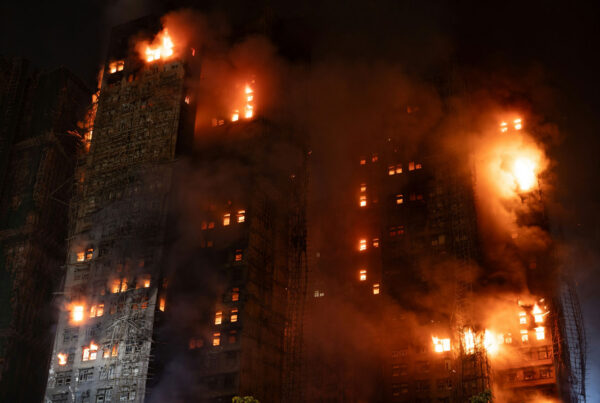



When a fire starts, the visible damage—charred walls and burned belongings—is just the beginning. A less visible but equally dangerous threat lingers long after the flames are extinguished: smoke damage.
Even a small fire in your home or business can send smoke drifting throughout the entire structure. Smoke and soot particles can quickly penetrate deep into most surfaces, causing odors, corrosion, and health hazards. If not professionally cleaned, long-term health issues can occur, so it’s critical to hire a restoration company skilled at handling not only fire damage but also smoke damage.
4 Types of Smoke Damage
At first glance, it may appear that all smoke is the same. The swirling grayish-black mist floats from room to room during a fire, touching everything in its path. But the type of smoke depends on the type of material that is burning. Different types of smoke can cause different forms of damage and will require different methods to clean. Restorations by Highmark determines which of the following four types of smoke damage has occurred prior to beginning any cleanup:
- Dry Smoke: Wood and paper cause a fast-burning, high-temperature fire, which creates dry smoke that leaves a light, powdery residue. This type of smoke residue seems easy to clean, but the fine particles can rest in deep cracks and porous materials, making professional cleaning a necessity.
- Wet Smoke: Low-heat fires that involve plastics, rubber, or synthetic materials create wet smoke, which leaves behind a thick, sticky residue and a strong odor. This type of smoke is typically caused by small electrical fires and requires professional-grade solvents to remove.
- Petroleum Smoke: Oil-based fires create dark and oily smoke that can stain surfaces and adhere to different materials. Specialized detergents and professional cleaning methods are needed to safely remove this type of smoke.
- Protein Residue: Kitchen fires can create protein-based smoke, which results from burnt food, grease, or organic materials, and is nearly invisible yet leaves behind a yellowish film and a pungent odor. This type of smoke infiltrates porous materials, such as upholstery, carpeting, furniture, and wood, and requires deep cleaning and deodorization.
How Smoke Damages Property
When materials catch fire and burn, the heat causes the pores in a variety of materials, including drywall, wood and paint, to expand. Flames create a mix of soot, ash, and acidic particles that cling to surfaces and embed deeply into these expanded pores. Once the area cools, the pores close, trapping the contaminants and odors inside.
This complex chemical reaction continues to harm your property long after the fire is out. Attempting to clean with household products can actually drive the residue deeper, making restoration more difficult and costly. Fire and smoke damage restoration services are essential to properly clean the residue and remove any lingering odors on the following surfaces and systems:
- Walls and ceilings: Smoke particles can cause staining and yellowing, especially on lighter-colored surfaces.
- HVAC system: Air ducts can spread smoke throughout your home as it circulates in the HVAC system, spreading odor and contaminants.
- Electrical system: If soot gets into electric outlets and electronics, it can cause corrosion and lead to electrical failure.
- Metal surfaces: Appliances, plumbing fixtures, and door hardware can corrode from the acidity in smoke residue.
- Furniture and fabrics: If not properly cleaned, upholstery, drapes, and carpets can easily absorb and hold smoke particles for months, even years.
What to Toss and What to Keep
It’s not surprising that smoke-damaged items left in your home can cause a host of health issues. Think of the last time you sat at a bonfire. When the smoke drifted your way, you may have coughed or wiped away tears that sprung to your eyes. Smoke can contain fine soot particles and toxic chemicals, including carbon monoxide, formaldehyde, and heavy metals, that can irritate delicate skin even after visible cleanup. Long term, these particles can worsen asthma and allergies or may contribute to respiratory illnesses and cardiovascular problems.
If you have a fire in your home or business, here’s a list of the items that must be discarded and those that can be kept and cleaned:
Items to Discard After Smoke Damage:
- Food: Even sealed food can absorb toxic fumes or chemicals from the fire.
- Cosmetics and medicine: These can become contaminated and unsafe for use.
- Clothing, linens and other textiles: Porous materials coated with soot may be impossible to clean completely.
- Electronics: Smoke and soot can corrode internal circuits, leading to failure or fire hazards.
- Furniture: Couches, chairs, and beds can absorb the smoke and be difficult to clean.
Note that if you plan to discard items that are smoke damaged, contact your insurance company first to determine what is covered by your policy.
Items That Can Often Be Restored:
- Hard furniture: Solid wood pieces can often be cleaned, refinished, and deodorized.
- Metal and glass: Non-porous materials can usually be cleaned with professional techniques.
- Personal items: Sentimental items such as photos, documents, or keepsakes may be restored using specialized restoration services.
The Smoke Damage Restoration Process
At Restorations by Highmark, we begin the restoration process with emergency response. Our expert restoration team responds within one hour of your call if your home or business is within the Twin Cities metro area. We’ll assess the extent of the smoke and fire damage to determine the type of residue and best restoration approach.
Next, we’ll conduct a Matterport scan of the entire building. This advanced 3D scanning technology creates a virtual tour of the inside of a structure. The scan can be used to inventory belongings, view the building’s contents and support the insurance claim process.
We’ll help you salvage items that are safe to keep by packing up any belongings that can be professionally cleaned. We’ll inventory these items prior to a deep cleaning in our state-of-the-art ozone cleaning station that removes health hazards and odors. Your items are then stored in our climate-controlled and secure storage facility until your home’s restoration is complete.
Once demolition starts, we’ll use high-powered equipment to remove airborne soot particles and improve indoor air quality. Smoke residue is removed using specialized cleaning agents and equipment. Our professional deodorization techniques neutralize the odor molecules left behind, ensuring a clean and safe environment.
Once cleaning is complete, our residential restoration team will repair or rebuild damaged walls, ceilings, and flooring, and you’ll work with an interior designer to select all new materials and finishes. Since we’re a full-service restoration company, we’re with you every step of the way until the day your home or business has returned to its pre-loss condition.
Smoke Damage Restoration Experts in Minnesota
Smoke damage is one of the most underestimated threats after a fire. The longer smoke particles sit, the more they spread and solidify. But with Restorations by Highmark, your home or business can be fully restored with our advanced cleaning technology and expert craftsmanship. Contact us 24/7 if you experience a fire or smoke event, and we’ll be there to help you through it.
When Disaster Strikes, Contact Us
We’re a preferred contractor for over 400 insurance agents and will happily assist you with your home or commercial restoration project.